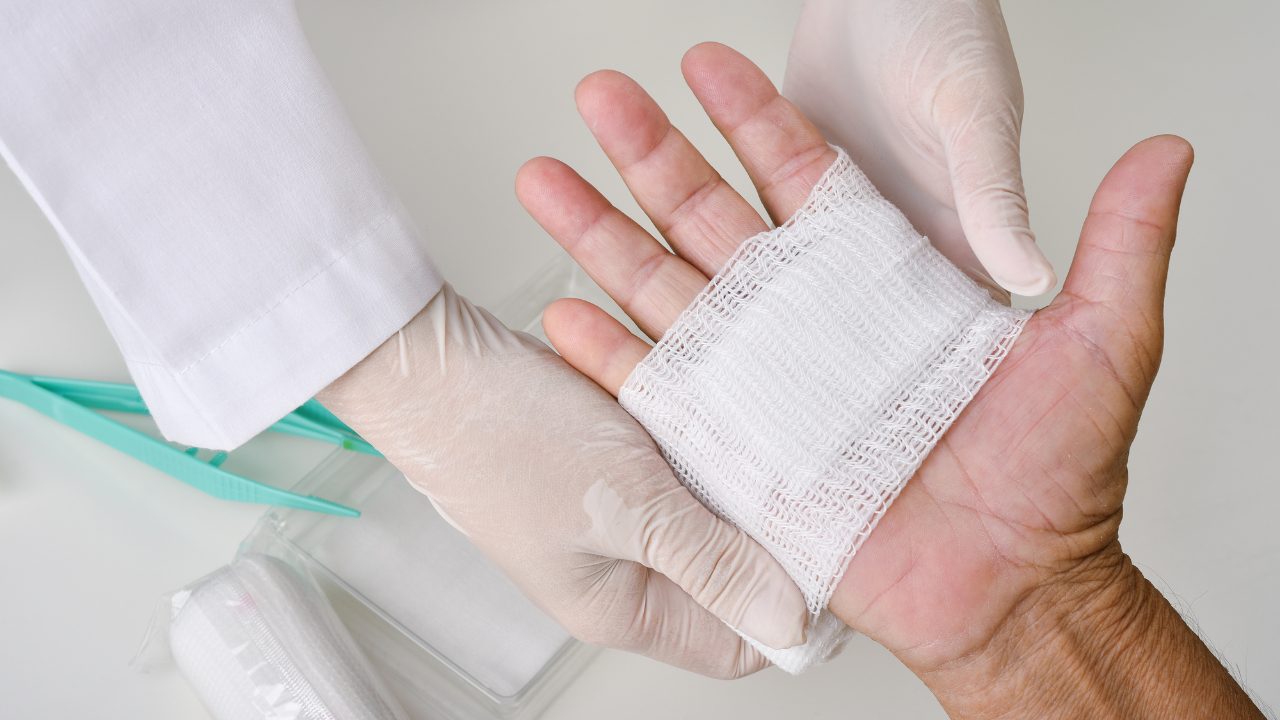
A cut, a scrape, a blister that opened, or a sore that just doesn't seem to be healing: wounds are something nearly all of us deal with, and it isn't always clear when home care is enough. At Westbroek Family Medicine, we won't rush you through or treat you like just another appointment, so let's walk through what you can do at home and when it's time to come see us.
Caring for a Minor Wound at Home
Mayo Clinic notes that minor cuts and scrapes can often be treated at home, and that you may need to seek medical care if the injury becomes infected (Mayo Clinic, 2024). Its first aid guidelines include:
- Washing your hands first to help avoid infection
- Gently pressing the wound with a clean bandage or cloth, and raising the area, until bleeding stops
- Rinsing the wound with water, since keeping it under running water lowers the risk of infection, and avoiding hydrogen peroxide or iodine, which can irritate wounds
- Covering the wound with a bandage or gauze to keep it clean
What Affects How a Wound Heals?
Several things can slow healing or make a wound more likely to become a problem:
- Diabetes, which can affect blood flow, sensation, and the body's ability to fight infection
- Poor circulation, which limits the oxygen and nutrients that reach the area
- Pressure or friction on the area, such as from shoes or from lying or sitting in one position
- Smoking
- Age
- Certain medications and chronic health conditions
Signs a Wound May Be Infected
The Mayo Clinic Care Network lists redness, increasing pain, drainage, warmth, and swelling near the wound as signs of infection that should be seen by a doctor (Mayo Clinic Care Network). Fever, red streaks spreading from the wound, or a bad odor are additional reasons to be seen promptly.
When to See Your Family Doctor
Reach out to us if:
- You see signs of infection
- You can't remove all the dirt or debris from the wound
- The wound is deep, or the edges are gaping open
- A wound isn't improving, or seems to be getting worse over time
- You have diabetes or circulation problems and develop any new sore, especially on your feet
- You aren't sure whether your tetanus shot is up to date. According to Mayo Clinic, a tetanus shot is needed if you haven't had one in the past five years and the wound is deep or dirty (Mayo Clinic, 2024)
What Your Family Doctor Can Do
Your family doctor can look at the wound, clean it properly, decide whether it needs stitches or other closure, check whether infection is present, review your vaccination history, and put together a plan for ongoing care. For wounds that are slow to heal, we can also look at the bigger picture, including your blood sugar, circulation, medications, and overall health, and coordinate with specialists if you need more advanced wound care.
When to Call 911
Call 911 or go to the nearest emergency room if bleeding is severe or doesn't stop with firm pressure, if a wound is very deep or large, or if you have signs of a serious infection, such as a high fever, confusion, or rapidly spreading redness.
The Care You Need. The Compassion You Deserve.
You shouldn't have to wonder whether a wound is something to worry about. We take the time to listen, answer your questions, and make sure you feel cared for from the first visit to the last. Westbroek Family Medicine is here for the whole family, with two convenient locations in Brigham City & Ogden, UT. Schedule your appointment today.
Sources:
- Mayo Clinic: https://www.mayoclinic.org/first-aid/first-aid-cuts/basics/art-20056711
- Mayo Clinic Care Network: https://www.mymlc.com/health-information/articles/c/cuts-and-scrapes-first-aid/
Schedule an Appointment
Call our Brigham City office at 435-515-3681 or our Ogden office at 801-515-7997, or request an appointment online. New patients are welcome at both Utah locations.
This article is intended for general informational purposes and is not a substitute for professional medical advice.